

Ropa Vieja is one of the most beloved dishes of all Cuban cuisine. It is tender, shredded beef that is simmered in a rich Cuban sofrito with onions, peppers, garlic, tomato paste, and vino seco until every bite is packed with flavor. The ultimate Cuban comfort food.
Every Cuban family has their own version of Ropa Vieja, and everyone is convinced their Abuela makes it best. Trust us, we understand! There’s something about the smell of the beef simmering away and the sofrito cooking on the stove that immediately takes us back to our childhood kitchens.
Our traditional Cuban Ropa Vieja recipe takes a little time, but don’t let that intimidate you. Most of the cooking time is hands-off, and we actually recommend cooking the beef a day ahead. Not only does this make preparing dinner easier, but it also allows you to remove excess fat from the broth before using it to build the sauce.
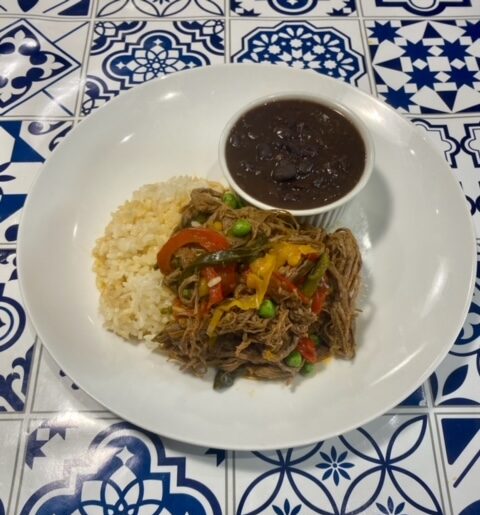
Serve your Ropa Vieja over fluffy Cuban white rice with black beans and sweet plantains for a meal that tastes just like home.
Jump to RecipeWatch Us Make Cuban Ropa Vieja!
Come cook with us! Watch as we walk you through making traditional Cuban Ropa Vieja, from cooking the beef until it’s perfectly tender to preparing the flavorful sofrito that brings everything together.
What Is Ropa Vieja?
Ropa Vieja is a traditional Cuban dish made with tender, shredded beef simmered in a flavorful sofrito sauce with onions, peppers, garlic, and spices. The name literally translates to “old clothes” in Spanish, a reference to the long strands of shredded beef that resemble torn or tattered clothing.
Although Ropa Vieja was born in Spain’s Canary Islands, it has become one of Cuba’s most iconic dishes. Like so many Cuban recipes, it’s a dish that has been passed down through generations, with each family adding its own special touch.
Traditionally served with white rice, black beans, and sweet plantains, Ropa Vieja is the kind of hearty, comforting meal that never goes out of style.
What Is the Best Cut of Beef for Ropa Vieja?
The secret to great Cuban Ropa Vieja starts with choosing the right cut of beef. We recommend using either flank steak or brisket. Both become beautifully tender when cooked low and slow, but they give you slightly different results.
Flank steak is the traditional favorite for Ropa Vieja. It has long muscle fibers that pull apart into beautiful strands, giving the dish its signature shredded appearance.
Brisket is another excellent option and one we love using. It has more fat and connective tissue, which help keep the beef rich and tender during the long cooking process. Brisket produces shorter pieces of shredded beef but delivers incredible flavor.
Whichever cut you choose, the key is patience. Let the beef simmer until it’s tender enough to pull apart easily with two forks. Don’t rush this step!
Our tip: We recommend cooking the beef a day ahead. Refrigerate the meat and cooking broth overnight, then skim the hardened fat from the broth the next day. You’ll have flavorful homemade beef broth ready to use in your Ropa Vieja.
For anyone who is short on time Try Our Instant Pot Ropa Vieja Recipe

Ingredients You’ll Need for Cuban Ropa Vieja
The secret to delicious Cuban Ropa Vieja is building layers of flavor with simple ingredients. The beef is cooked until tender, then combined with a classic Cuban sofrito and simmered in a rich, savory sauce.
Beef: We recommend brisket or flank steak. Both work beautifully for Ropa Vieja, and the choice really comes down to your preference for longer or shorter strands of shredded beef.
Olive Oil: Extra virgin olive oil is the base of our sofrito. We use it throughout the cooking process to help develop flavor.
Garlic: Garlic is essential to Cuban cooking, and this recipe is no exception! We use it both when cooking the beef and when making the sofrito.
Onions and Peppers: We use onions, red and orange bell peppers, and either a poblano or cubanelle pepper. They add sweetness, color, and depth to the sauce. We like to slice them into long, thin strips so they blend beautifully with the shredded beef.
Bay Leaves: These add an aromatic flavor to the cooking broth and the sofrito. We use them in both stages of the recipe.
Tomato Paste: A little tomato paste adds richness and gives the sauce its beautiful color.
Vino Seco: This dry cooking wine is a staple in many Cuban kitchens. It adds depth and balances the richness of the beef and sofrito.
Beef Broth: Don’t throw away the liquid you used to cook the beef! That homemade broth is full of flavor, and we use it to bring the Ropa Vieja together.
Sazón: A little sazón adds another layer of savory flavor to the dish.
Salt and Pepper: Season throughout the cooking process, tasting and adjusting as you go.
Frozen Peas (Optional): For a little extra color and sweetness, you can add frozen peas toward the end of cooking.
How to Make Cuban Ropa Vieja
Making traditional Cuban Ropa Vieja is easier than you might think! The secret is giving the beef enough time to become tender and building a flavorful sofrito. Follow these steps, and you’ll have a delicious Cuban classic on your table.
Step 1: Cook the Beef
Place the brisket or flank steak in a large pot and add enough water to completely cover the meat. Add 6 bay leaves and 10 garlic cloves.
Bring to a boil, then reduce the heat to medium-low. Skim any foam or impurities from the surface with a slotted spoon to keep your broth clean.
Allow the beef to simmer for at least 3 hours, checking occasionally to make sure it remains covered with water. The beef is ready when it’s tender and beginning to fall apart.
Our tip: We love cooking the beef a day ahead. Refrigerate the beef and broth separately overnight so you can easily remove the hardened fat from the broth the next day.
Step 2: Shred the Beef
Remove the cooked beef from the pot and allow it to cool enough to handle. Using two forks or your hands, gently pull the meat apart into long strands, removing any tough or fatty pieces.
Don’t shred the beef too finely! It will continue to break apart as it simmers in the sofrito, and you want to maintain some of those beautiful long strands.
Reserve at least 4 cups of the cooking broth.
Step 3: Prepare the Sofrito
In a large, deep sauté pan or pot, heat about ¼ cup of olive oil over medium-high heat.
Add the thinly sliced onions, the remaining 4 bay leaves, sazón, salt, and pepper. Sauté for 5–7 minutes, stirring occasionally, until the onions soften and begin to develop some color.
Add the sliced peppers, season with a little more salt, and drizzle in additional olive oil as needed. Continue cooking for another 3–5 minutes.
Finally, add the remaining 2 minced garlic cloves and a little more olive oil. Reduce the heat to medium and cook for 2–3 minutes, stirring frequently so the garlic doesn’t burn.
Step 4: Build the Sauce
Increase the heat to high and add the tomato paste to the sofrito. Stir well until the tomato paste is completely incorporated into the vegetables.
Pour in the vino seco and allow everything to bubble together for approximately 2 minutes, letting the wine reduce slightly.
Taste and adjust the seasoning as needed.
Step 5: Add the Shredded Beef
Add the shredded beef to the pot with the sofrito and stir until the meat is completely coated.
Pour in 4 cups of the reserved beef broth and season with salt and pepper.
Reduce the heat to medium-low, cover, and simmer for 20–30 minutes, allowing the beef to absorb all those wonderful flavors.
Taste again and adjust the seasoning. If you prefer a saucier Ropa Vieja, add a little more reserved broth until you reach your desired consistency.
If you’re adding frozen peas, stir them in during the final few minutes and cook until heated through.
Step 6: Serve and Enjoy!
Remove the bay leaves before serving. Spoon the Ropa Vieja over fluffy Cuban white rice and serve with black beans and sweet plantains.
Make sure to spoon some of that delicious sauce over the rice. Trust us, you don’t want to leave any of it behind!
Our Tips for the Best Cuban Ropa Vieja
Ropa Vieja is one of those dishes that gets better with a little patience. Here are some of our favorite tips for making this Cuban classic.
Cook the beef a day ahead. This is our favorite trick! Cooking the beef the day before makes preparing Ropa Vieja so much easier. Refrigerate the beef and cooking broth separately overnight, then skim the hardened fat from the broth before using it in your sauce.
Don’t rush the sofrito. A good Cuban sofrito is the foundation of this dish. Give your onions, peppers, and garlic time to soften and develop their flavors before adding the tomato paste and vino seco.
Save that beef broth! The liquid left behind after cooking the beef is full of flavor. Use it to make the sauce instead of store-bought broth. Any extra broth can be frozen for another recipe.
Don’t shred the beef too finely. Those long strands of beef are what give Ropa Vieja its signature texture and its name, which translates to “old clothes.” Leave the pieces a little larger because they’ll continue to break down as they simmer in the sauce.
Make enough for leftovers. Ropa Vieja is one of those dishes that tastes even better the next day as the flavors continue to develop. We always recommend making a little extra!
Ropa Vieja Kitchen Essentials
You don’t need a lot of fancy equipment to make delicious Cuban Ropa Vieja, but having the right tools makes the process so much easier! From a sturdy Dutch oven for simmering the beef to a sharp knife for preparing your sofrito, these are some of our favorite kitchen essentials.
We’ve rounded up our favorite tools, including affordable options and investment pieces, in our Ropa Vieja Kitchen Essentials collection.
Shop Our Ropa Vieja Kitchen Essentials
What to Serve with Cuban Ropa Vieja
Ropa Vieja is delicious on its own, but in a Cuban kitchen, it’s all about what you serve alongside it! The rich, savory sauce practically begs for a generous helping of white rice, and a few classic Cuban sides turn this dish into a complete meal.
Cuban White Rice: There’s nothing better than a big spoonful of Ropa Vieja over fluffy white rice. The rice soaks up all that delicious sauce, making every bite even better.
Cuban Black Beans: A side of slow-simmered black beans is the perfect complement to Ropa Vieja. Together with white rice, they’re a staple of the Cuban dinner table.
Sweet Plantains (Maduros): The sweetness of fried ripe plantains balances the savory flavors of the shredded beef and sofrito. It’s one of our favorite combinations!
Tostones: If you prefer something crispy, twice-fried green plantains are another delicious option. They’re especially good for scooping up any extra sauce.
Avocado Salad: A simple salad with ripe avocado, sliced onions, olive oil, and vinegar adds a fresh contrast to this hearty Cuban dish.
And if you’re looking for a quicker way to make this Cuban classic, try our Instant Pot Ropa Vieja. It delivers all those familiar flavors in less time!
How to Store, Freeze, and Reheat Ropa Vieja
One of the best things about Cuban Ropa Vieja is how well it keeps! In fact, we think it tastes even better the next day once all those delicious flavors have had time to come together.
How to Store Ropa Vieja: Allow the Ropa Vieja to cool slightly, then transfer it to an airtight container and refrigerate promptly. It will keep in the refrigerator for up to 3–4 days.
Can You Freeze Ropa Vieja? Absolutely! Ropa Vieja freezes beautifully. Store it in freezer-safe containers or bags with some of the sauce to keep the beef moist. For the best quality, enjoy within 2–3 months.
How to Reheat Ropa Vieja: Our favorite way to reheat Ropa Vieja is on the stovetop over medium-low heat. Add a splash of beef broth or water if the sauce has thickened, and stir occasionally until heated through. You can also reheat individual portions in the microwave. Make sure leftovers reach 165°F before serving.
Frequently Asked Questions About Cuban Ropa Vieja
Can I make Ropa Vieja ahead of time?
Absolutely! In fact, we recommend it. You can cook the beef a day ahead, refrigerate it along with the reserved cooking broth, and finish the dish the following day. This makes it easier to remove excess fat from the broth and saves time when you’re ready to prepare the sofrito.
You can also prepare the entire dish ahead of time and gently reheat it before serving.
Can I use chuck roast instead of flank steak or brisket?
Yes! Although flank steak and brisket are our preferred cuts, chuck roast is another good option. It has plenty of connective tissue and becomes tender when cooked slowly. Just keep in mind that chuck roast generally shreds into shorter pieces rather than the long strands traditionally associated with Ropa Vieja.
Why is my Ropa Vieja tough?
If your Ropa Vieja is tough or difficult to shred, the beef probably needs more cooking time. The key is to simmer it gently until the connective tissue breaks down and the meat pulls apart easily with two forks. Cooking times can vary depending on the size and cut of beef, so use tenderness rather than the clock as your guide.
Can I make Cuban Ropa Vieja in the Instant Pot?
Yes! While this recipe uses the traditional stovetop me
Looking for other Classic Cuban Recipes Check Out Our Other Favorites:


Classic Ropa Vieja
Course: EntreeCuisine: CubanDifficulty: Moderate6
servings15
minutes4
hoursIngredients
-
3 pounds of Untrimmed Brisket or flank (try to buy great quality meat such as prime It makes all the difference!)
-
1/3 cup of extra Virgin olive oil, divided
-
12 garlic cloves, divided (for boiling the meat and sofrito)
-
1 tablespoons of tomato paste
-
2 medium onions, finely sliced
-
1 orange pepper, finely sliced
-
1 red pepper, finely sliced
-
1 poblano or cubanelle pepper
-
10 bay leaves, divided
-
1 cup vino seco
-
4 cups of the broth that the beef cooked in.
-
1 tablespoon sazon
-
Salt and pepper
-
Frozen Peas
Directions
- In a large pot, place the whole brisket and cover with water. Add 6 bay leaves and the head of garlic. Bring to a boil then lower to medium low. Skim the top with a slotted spoon to maintain a clean broth.
Cook for at least 3 hours always making sure there is water covering the meat. Cook until the meat is tender and starting to fall apart. Remove the meat from the pot. Once it cools, pull apart the meat. Discard the chewy and fatty pieces.
- Meanwhile we work on the base of the ropa vieja. Start by adding the onions, remaining bay leaves, salt and pepper and sazon with about 1/4 cup of olive oil to your pan. Sauté on medium high heat until cooked and have some color. 5-7 minutes.
- Now you want to add the peppers, salt and add a little more oil and sauté for 3-5 minutes. Then add the garlic with another bit of olive oil and sauté on medium for 2-3 minutes until it’s cooked but not burned.
- Raise heat to high. Then add the tomato paste and stir well to let it incorporate with the veggies, check for salt and if you need to add a little more. Now add the vino seco and allow it to reduce while it boils together for 2 minutes.
- Now it is time to add the shredded beef to the pot. Mix it all together, then add 4 cups of the cooking liquid and salt and pepper. Cook together for 20 -30 minutes on medium low with the lid covered.
Taste again for salt and pepper and add more cooking liquid depending on how you like it. - Add your frozen peas and fresh herbs and let them steam up- takes about 2 minutes.

